



 By Juliana Octavini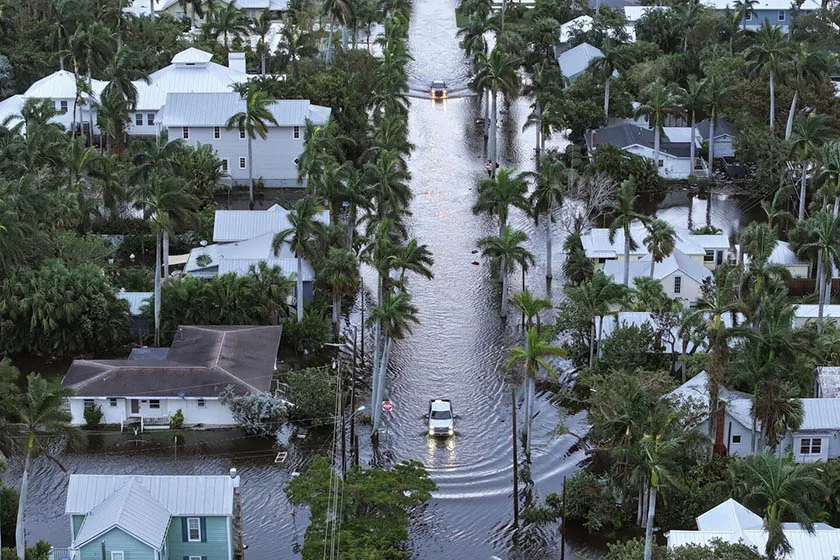
The Orlando city government issued a note on Thursday, October 10th, 2024, with some guidance for the people who are in the city in this post hurricane. Check it out:
Authorities are still assessing the neighborhoods as to the damage and risks to the community, including fallen trees, traffic lights interruptions and power outages. So they are directing people to avoid leaving their homes, but if they need to, to be very careful because flooded sites may be electrically charged and or contain dangerous debris.
CITIZEN INFORMATION LINE:
Citizen Information Line will no longer be active from 16 hours today, October 10th, 2024. Anyone who needs it can call the following numbers below to report damage, floods, fallen trees and power drops.
- Flood: Orlando. gov/flood and 407.246.2238
- Tree emergency: 407.246.2283
- U.C. Power drop: send a text message OUT to 69682, 407.423.9018 and ouc.com.
Any immediate emergencies or dangers, please contact 911.
ENERGY RESTORATION:
The teams of the OUC (Orlando Utilities Commission) – responsible for Orlando's public water and power supply service – are in the process of restoring power to more than 69,000 customers affected by the storm. Customers can report interruptions by calling 407-423-9018 or sending a text message "OUT" to 69682. If customers have problems getting in touch, OUC asks you to contact through their social channels at X, Facebook and Instagram.
LIMIT WATER USE:
As a result of the heavy rains brought by Hurricane Milton, the city of Orlando requests that residents continue to limit the use of water, as the city's water recovery system is functioning in its capacity. Please avoid washing, washing dishes, bathing and flushing. The additional use of water like this will put additional pressure on these operations and may lead to sewage overflows.
LAKES AND INUNDATIONS:
Street and rainwater teams are evaluating any high water levels after Hurricane Milton and the potential to emit lake alerts. As a precaution, avoid contact with stopped water on roads, lakes or any other recreational activity.
ARTS IMPACTING STRATEGIES:
The city team is removing trees, including 27 known trees blocking roads at this time.
SECURITIES:
The Orlando City Transport Engineering team continues to work to restore power to the affected traffic lights. At the moment, there are 20 powerless devices, 24 with flashing lights and 360 without communication. That's a total of 408 devices.
TRANSPORT COUNCILS:
For all these reasons - floods, debris and traffic lights impacts - the city continues to encourage residents to shelter on site. If you need to leave, do not drive in still waters and treat the traffic lights dropped as four-way stops.
BAIRRO CENTRES, PARKS AND RECREATIVE INSTALLATIONS:
While the teams continue to evaluate all the facilities and parks in the city for damage, the city's post-school programs will be reopened in all neighborhood centers for students already enrolled tomorrow, Friday, October 11 at 7:30. due to the closure of Orange County Public Schools.
CITY PARKING GARAGENS:
All cars parked in the city garages for the storm must be removed until the Friday, October 11th.
COLLECTION OF DETRICTS AND LIX:
The current waste and waste collection plan, if the water retreats to allow solid waste vehicles to operate safely, is as follows:
The city will start collecting debris tomorrow, 11 October 2024. Residents can help speed up the garbage collection process in the backyard by doing the following:
- Put debris on the curb, not the street.
- Waste bags and bundles backyard
- Separate yard waste and construction materials
Trade operations will be resumed on Friday, October 11, 2024As well as the day of residential makeup for residential garbage. This will cover the collections ignored from Wednesday, October 9, 2024. The collections ignored on Thursday will be the next day of service, Thursday, October 17, 2024.
MUNICIPAL SERVICES AND PREFECTURE:
City Hall and other facilities, including Neighborhood and Recreation Centers, will reopen on Friday, October 11, 2024For normal business hours. City services will also resume normal operations in Friday, October 11.
BE INFORMED:
Residents can keep themselves informed and get information from Orlando city through the website and social networks at:
- City website in Orlando. gov/storm
- Orlando city Facebook page: www.facebook.com/cityoforlando
- Spanish – www.facebook.com/ciudaddeorlando
- Orlando City Twitter account: @citybeautiful
SELVAGE ANIMALS:
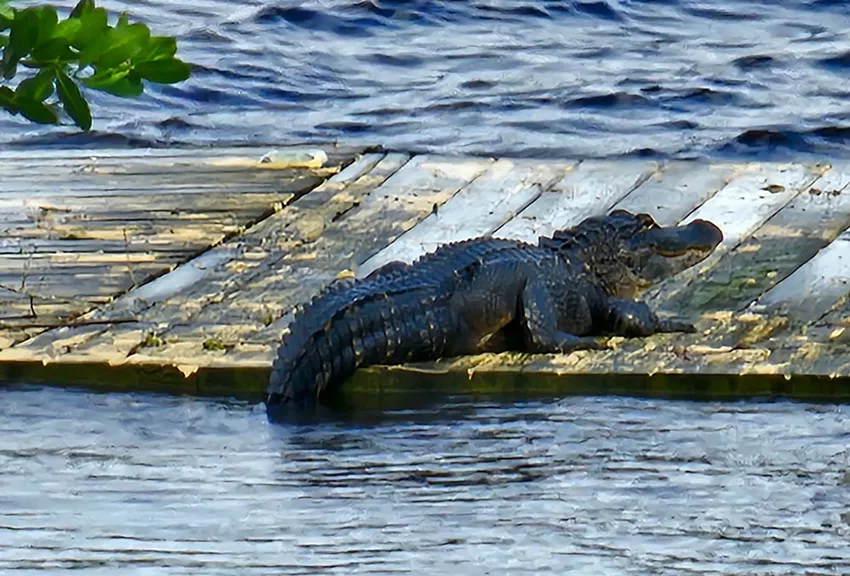
According to Florida Fish and Wildlife Conservation Commission (FWC), areas affected by hurricanes can have many native animals and, with flooding, they can easily end up moving, including, to close to homes.
JACARES
“ Alligators can be observed more frequently in flooded areas after a hurricane or tropical storm. As with all wild animals, treat alligators with respect, keep them away and give them space. If you believe that a specific alligator poses a threat to people, pets or properties, call FWC's Nuisance Alligator Hotline Freeline: 866-FWC-GATOR (866-392-4286). The FWC gives top priority to public safety and will send one of our alligator hunters to resolve the situation.”
URGES
“ While communities are cleaning up after the storm, bears can enjoy easy access to food attractions that await collection by garbage workers. If you live in the bear region of Florida, watch out for bears looking for food in your neighborhood. If spoiled food is included in post-ferracon debris, attach it separately from non-food waste. Report any problems with bears or possible conflicts between humans and bears to FWC regional offices during business hours or, after business hours, to FWC Wildlife Alert Hotline at number 1-888-404-FWCC.”
KEYS
“ Strong rains can force some owls to leave their burrows until the water level decreases. After the storm, you can see owls looking for shelter in unusual places, such as on the edge of a house or perched on man-made structures. Make room for these owls, for they will return to their dens on their own. Whenever possible, during the hurricane recovery, be careful to avoid owl burrows by removing debris, parking vehicles, preparing materials or equipment or repairing damaged structures.”
TARUGAS GOPHER
“ Gopher turtles usually inhabit high and dry habitats, but can occur in coastal dunes or areas that can flood during extreme weather events. During the storms, individual gopher turtles can leave burrows in lower areas and head for higher terrain. Gopher turtles can also look for shelter in their lairs during the storm, putting their nose above the water level or finding airbags to breathe inside a flooded lair.
Turtles and their lairs are protected by state law. That includes flooded, collapsed burrows. Turtles can occupy collapsed burrows and can dig themselves up from naturally collapsed burrows. If it is not possible to avoid the burrows at a distance of 25 ft (7.5m) during cleaning activities, contact the regional biologist of the FWC Gopher Tortoise for assistance.
You can help a turtle in immediate danger, like moving a turtle in the water to a drier terrain, but only if it is safe to do so. Never take a gopher turtle into your home or take it elsewhere. If a turtle appears injured or not to move within 12 hours or more, please contact FWC regional Gopher turtle biologist. Also contact the FWC if you find a gopher turtle in an unusual location, such as mangroves or piles of debris after a storm.”
FISH-BOI
“ Boi fish may be stranded or trapped during and after a hurricane or tropical storm. Boi fish stranded by storms may need immediate medical attention from wildlife experts. If you hear of a stranded, trapped, injured or dead manatee, please call the FWC Direct Life Alert Line at number 888-404-3922.
Don't try to move a stranded manatee on your own. FWC works in collaboration with the public and a network of partners to rescue, rehabilitate and conserve the manatees.”
MARINE TARUGUES
“ Sea turtles have a nesting strategy that adapts to natural storm events. Female sea turtles deposit several nests throughout the nesting season, essentially protecting their bets to ensure that even if a hurricane or tropical storm occurs during the nesting season, there is a high probability that at least some of the nests will be successfully hatched. No storm season is a total loss to Florida's sea turtle nests.
Never dig up sea turtle nests or collect eggs from sea turtles that can be found on the beach after the storm. These efforts may have unintended consequences for hatching eggs or pups and rarely result in hatching eggs. Contact FWC’s Wildlife Alert Hotline by phone 1-888-404-FWCC to inform FWC about the location of sea turtles that have been dragged, sick or injured, so that they can be recovered and receive adequate care.”
COBRAS
“ More likely you see snakes with higher water levels after the storm.
Most of the snakes you'll find are probably not poisonous and will be more afraid of you than you are of them. If you see a snake, back off. Snakes are not aggressive with humans unless they feel threatened. They prefer to avoid dating and usually run away. To avoid snake bites, leave the snakes alone, stay away from the high grass, unless you wear thick boots, and keep your hands and feet away from areas you cannot see.”
Source: Click Orlando; FWC


